

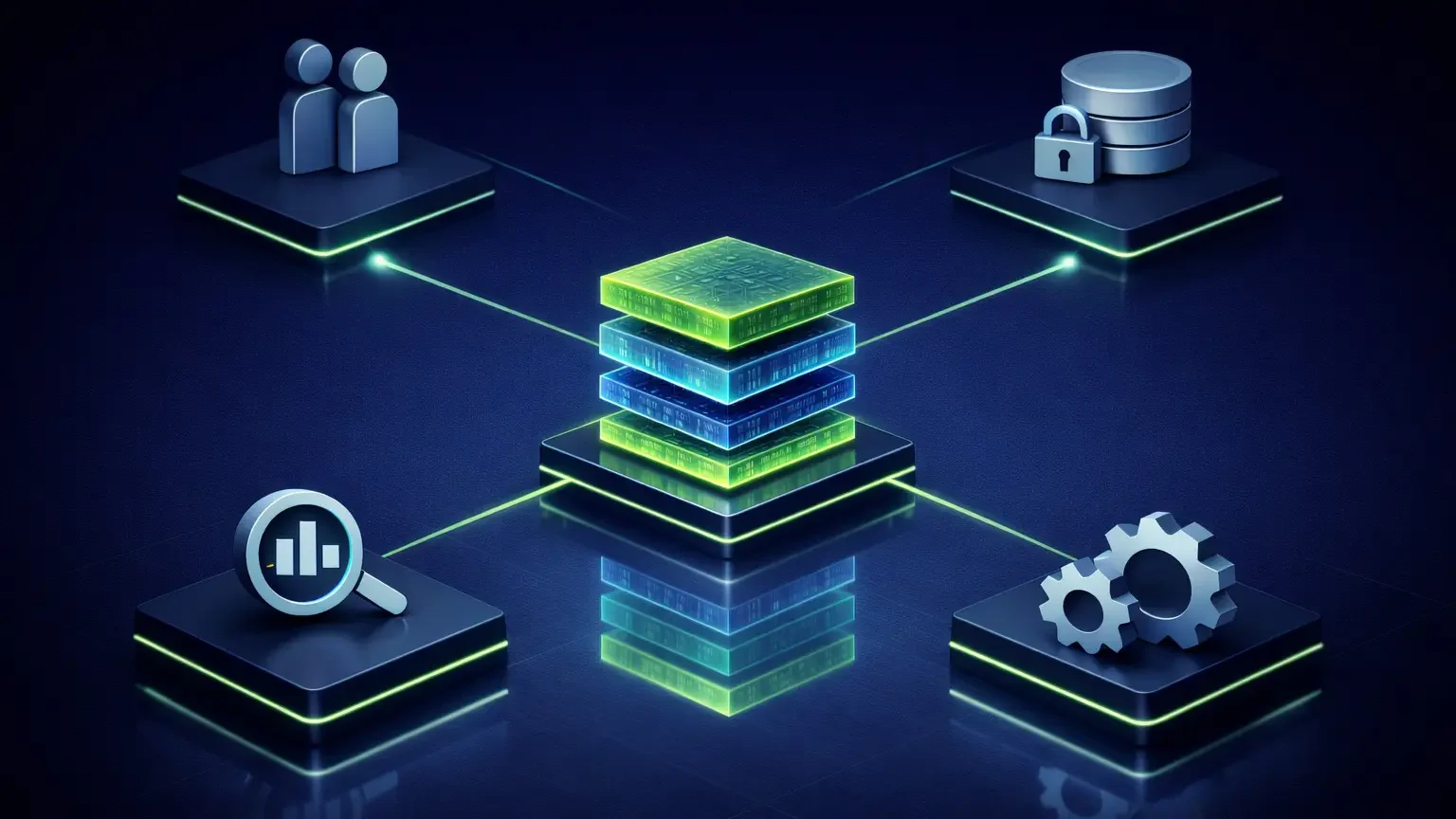
If AI is involved in operational decision-making, control must be built into the architecture as an integral component.
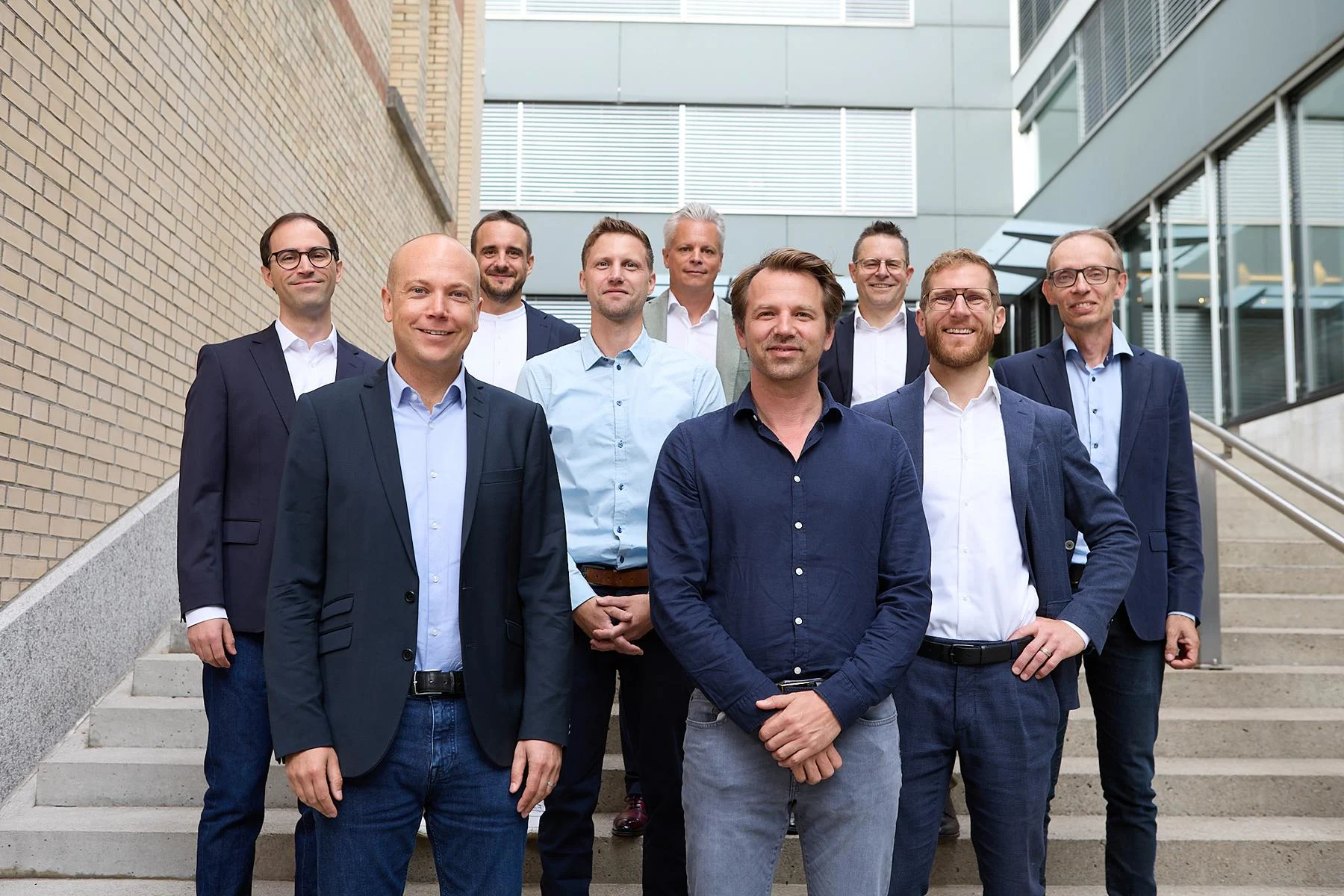
Urs Binggeli | Founder & Head of Managed Security Services
Artificial intelligence is reshaping how organizations operate, make decisions and run their processes. While AI enables new levels of efficiency and innovation, it also introduces new risks for data, systems and business operations.
Many companies across industries are already using generative AI, AI tools and AI systems in daily operations. However, there is often limited control over how large volumes of data are processed, which AI systems are in use and what security risks arise from them.
Consulteer InCyber supports organizations across all industries in operating AI systems securely, reducing risks and enabling controlled AI adoption.

The Challenge
AI adoption is already part of everyday operations. Employees use AI tools, integrate APIs or develop their own AI projects. At the same time, new cybersecurity challenges emerge around data security, governance and risk management.
Typical risks include:
Sensitive data leaving the organization through prompts and integrations
AI systems accessing internal data, APIs and security data
Malicious prompts, prompt injection and adversarial attacks
Data poisoning and adversarial examples affecting AI algorithms and ML models
Zero day vulnerabilities and zero day exploits targeting AI systems
Unclear ownership and responsibilities
Without structured AI security, companies face increased risks of data leakage, data leaks and exposure to emerging threats from sophisticated threat actors.
Use Cases in Practice
Typical scenarios include:
Securing generative AI in everyday business use
Protecting AI APIs and applications
Controlling data flows across systems
Securing MCP instances and cloud platforms
Integrating AI into existing cybersecurity architectures
Three Perspectives on AI Systems
To implement effective AI security, we look at AI systems from four perspectives:
AI you use.
Tools such as ChatGPT or Copilot
Focus: governance, access control and user management
Risk: data leakage, shadow AI and uncontrolled data flows
AI you build.
Custom AI applications, AI models and AI agents
Focus: architecture, APIs and security solutions
Risk: data poisoning, adversarial attacks and insecure AI development
AI you manage.
Governance and operations across all AI use cases
Focus: monitoring, compliance and security operations
Risk: lack of control, policy violations and unmanaged AI adoption
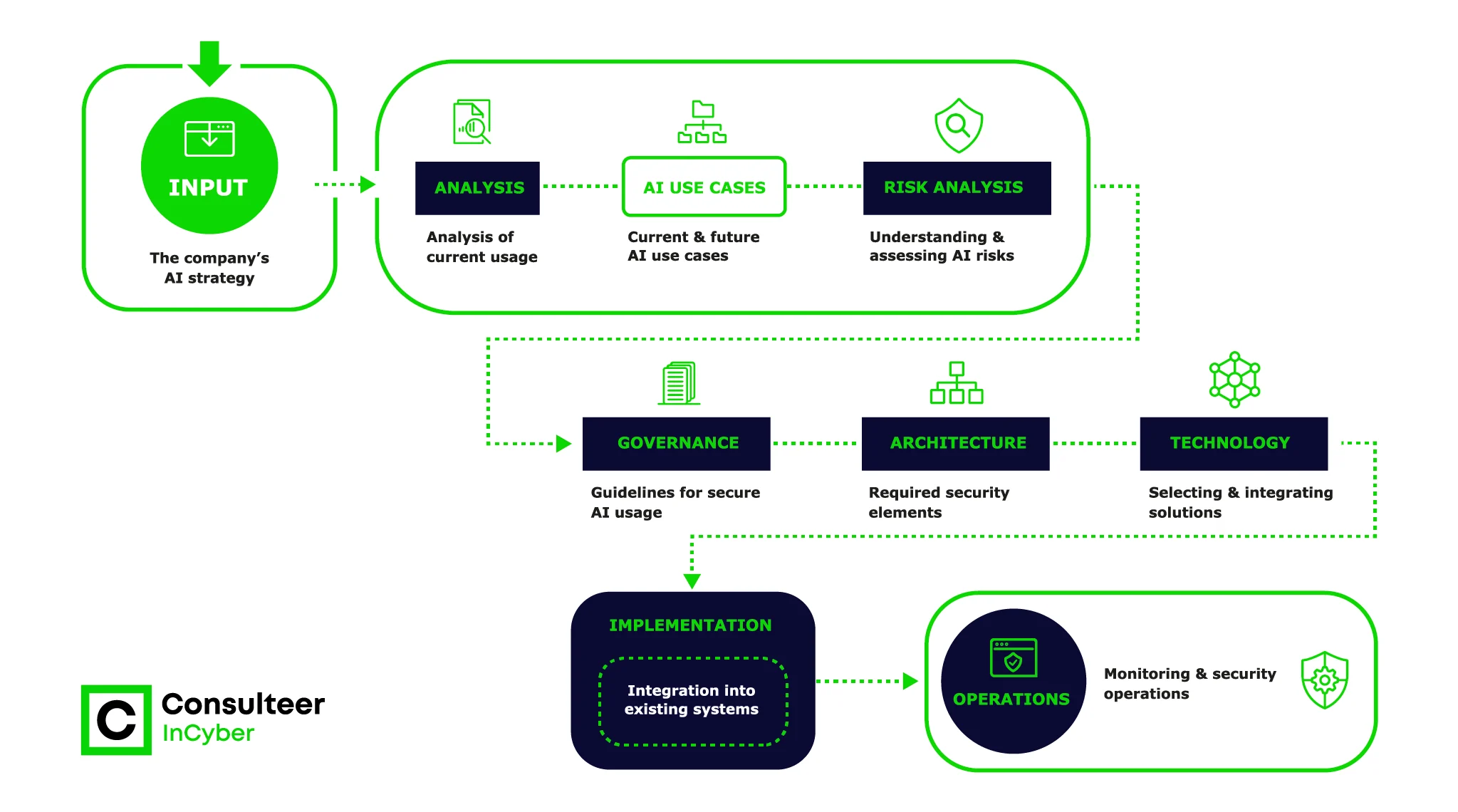
The AI Security Journey
The biggest challenge is often lack of visibility. Many AI systems are used without being centrally tracked or controlled.
Solution
Inventory of AI systems, AI tools and AI data
Identification of data flows, interfaces and training data
Detection of shadow AI and unapproved usage
Benefit
Full visibility across AI usage
Better decision-making
Reduced uncontrolled risks
What sets us apart.
End-to-End AI Security

A Pioneer in AI Security in Switzerland
Architecture over Tools
Full-service Technology & Operations
Strong Technology Partners
Control AI Data Flows with Cato SASE
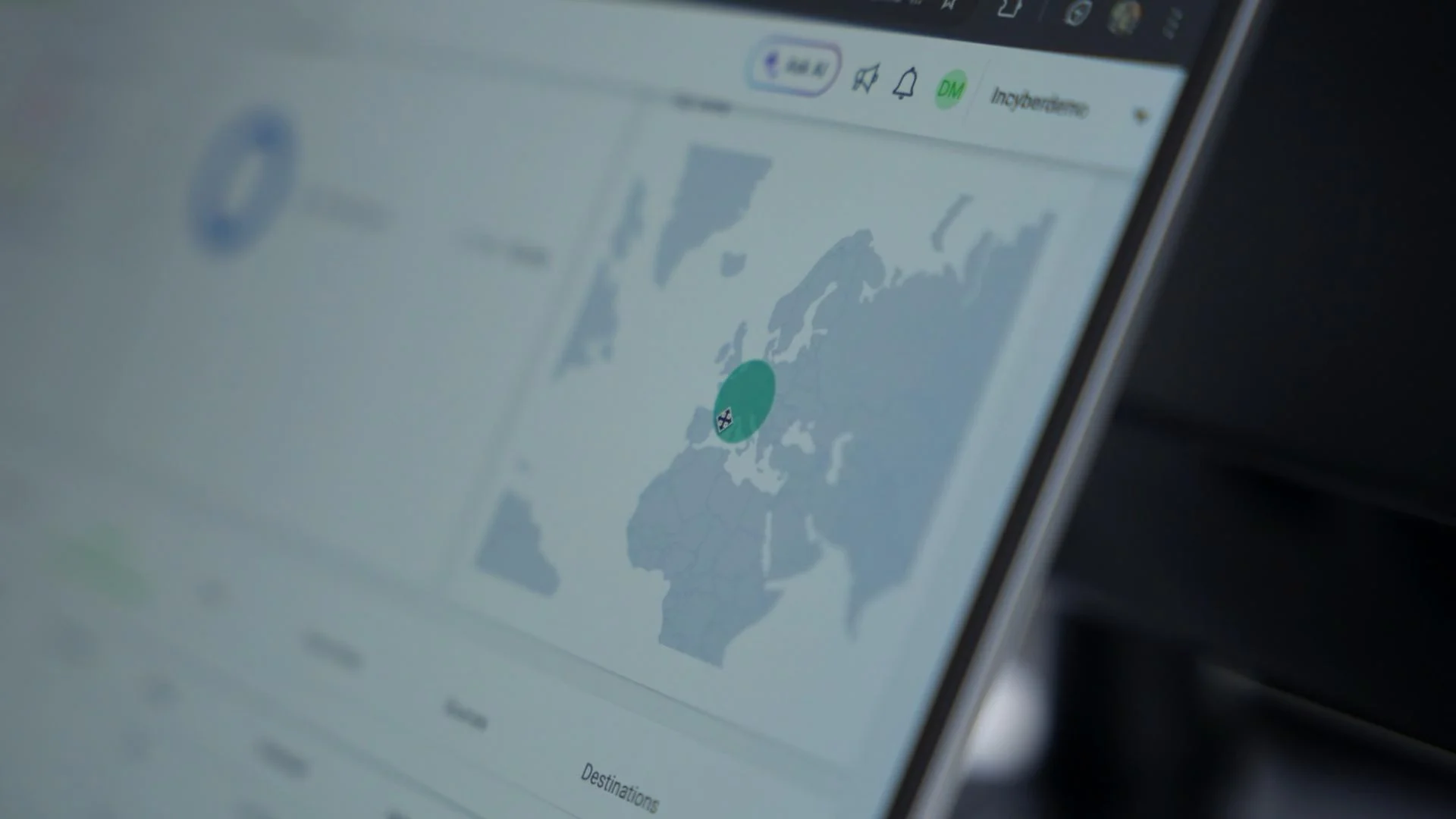
AI systems generate dynamic data flows through prompts, APIs and applications. These AI-driven data flows often bypass traditional security controls and increase the risk of data leakage and exposure of sensitive data.
With a SASE architecture, access, data traffic and usage can be centrally controlled and secured.
Together with Cato Networks, we rely on an integrated platform that provides full visibility, enforces access control and enables consistent AI security across environments.
Secure Innovation. Delivered together.
Secure AI requires more than individual tools. It requires a consistent architecture, clear processes and continuous control.
Consulteer InCyber supports organizations from initial analysis to full deployment, ensuring AI systems are secure, scalable and aligned with compliance requirements.
Organizations that want to protect their AI systems and manage risks effectively will find experienced experts at Consulteer InCyber across strategy, architecture and operations.